Benefits of Hiring Custom Home Builders for Personalized Living
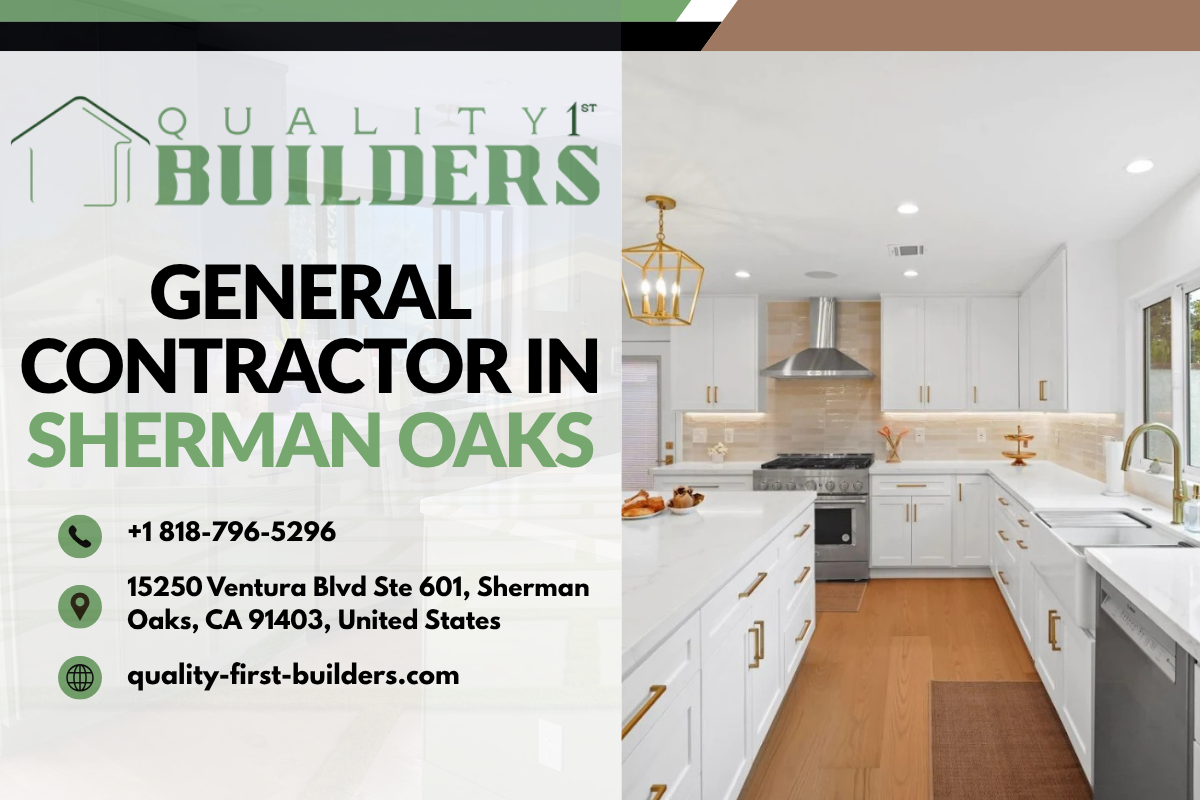
A house can be structurally sound, well located, and even expensive, yet still feel slightly off for the people living in it. The kitchen may choke the morning routine. The primary suite may sit on the wrong side of the home for privacy. Storage may be an afterthought. Natural light may miss the rooms that matter most. These problems are common because most homes were designed for a broad market, not for one specific family.
That gap between a standard house and a deeply functional home is where custom home builders earn their reputation. When the work is done well, the result is not simply a prettier property. It is a home that reflects the owners' habits, priorities, and long-term plans. It supports how they cook, host, work, rest, raise children, care for parents, and age in place. The difference is practical before it is aesthetic.
Many homeowners first consider a custom builder after years of compromise. They have lived with an awkward floor plan, layered on temporary fixes, and reached the point where patchwork no longer makes sense. Some are choosing between moving and rebuilding. Others already own a lot and want to create something tailored from the ground up. In both cases, the appeal of personalization is obvious, but the real value goes deeper. A seasoned builder helps translate ideas into a buildable, budget-aware, code-compliant home that performs in daily life.
A custom home starts with the life you actually live
One of the clearest benefits of hiring custom home builders is that the design process starts with people, not templates. That sounds simple, but it changes every decision.
In a production home or lightly renovated resale, homeowners often adapt their lives to the structure. They create makeshift workstations in dining rooms. They add shelving where closets were undersized. They use one entrance because the intended circulation never quite worked. A custom build reverses that pattern. The home adapts to the household.
That shift matters in ways people often overlook at first. A family with two school-age children and one parent working from home may need sound separation more than extra square footage. An avid cook may care less about a formal dining room than about pantry access, appliance placement, and generous prep surfaces. A couple who entertains often may want indoor-outdoor flow, a secondary refrigeration zone, and lighting that transitions well from everyday use to evenings with guests. Empty nesters may prioritize fewer steps, wider clearances, and a first-floor suite that allows them to stay in the home comfortably over time.
Experienced custom home builders know how to ask the right questions. They do not just ask how many bedrooms you want. They ask where backpacks land, whether laundry belongs near bedrooms or near the mudroom, how frequently overnight guests visit, and whether you need visual openness or acoustic privacy. These are not decorative questions. They determine whether the home will feel effortless or frustrating five years after move-in.
Better use of space, not simply more space
People often assume custom building is mostly about scale. In practice, some of the best custom homes are not dramatically larger than standard homes. They are simply better resolved.
Square footage is expensive to build and expensive to condition. Every unnecessary corridor, oversized room, or poorly planned transition adds cost without improving livability. A capable builder works with the design team to tighten the plan, identify dead zones, and allocate space where it creates the most value. A 2,800-square-foot home designed around daily routines can outperform a generic 3,400-square-foot house in comfort and function.
This is especially relevant in established neighborhoods where lot sizes, setbacks, and zoning rules limit what can be built. In places like Sherman Oaks, where homeowners may be balancing older housing stock, premium land values, and neighborhood-specific considerations, smart planning often matters more than raw expansion. Homeowners exploring home remodeling Sherman Oaks projects frequently discover that the issue is not merely lack of room. It is poor room relationships, dated circulation, or underused areas that no longer support modern living.
Custom home builders tend to bring a sharper eye to these inefficiencies because they have seen how plans perform in the field. They know when a beautiful rendering hides a cramped passage. They know when a vaulted ceiling is worth the investment and when it steals budget from more useful upgrades. That kind of judgment is hard to replicate with piecemeal decision-making.
Personalization reaches beyond finishes
Homeowners sometimes hear the word "custom" and think of visible luxuries such as stone slabs, specialty lighting, or hand-built cabinetry. Those details matter, but the more important customization often lives behind the walls and in the bones of the house.
A personalized home can incorporate healthier ventilation strategies, insulation approaches suited to the local climate, wiring for current and future technology needs, and structural choices that accommodate larger openings or future additions. It can include subtle planning for aging parents, adult children returning home, or a changing work setup. It can prioritize quiet bedrooms, durable surfaces for pets, and storage designed around actual possessions rather than generic assumptions.
There is also emotional personalization, which is harder to quantify but easy to feel. A window placed to capture a favorite tree. A breakfast nook that catches morning light. A built-in bench where children pull off cleats after practice. A library wall sized for a real collection rather than decor. These are the details that give a house identity. They make it feel anchored to the people who live there.
Custom home builders are valuable here because they know where to spend for lasting impact and where to simplify. Not every wish list item deserves equal weight. A builder with strong field experience can say, in practical terms, "This upgrade changes how you live every day," or "This one is expensive, but you may barely notice it after the first month." That is one of the least glamorous and most useful parts of the relationship.
The hidden advantage of integrated problem-solving
A custom home is a chain of decisions. Site conditions affect structural strategy. Structural strategy affects layout. Layout affects mechanical runs. Mechanical runs affect ceiling heights. Ceiling heights affect exterior massing. Exterior massing may affect permitting or neighborhood review. Inexperienced teams can treat each decision as separate and end up with expensive conflicts.
An experienced custom builder sees the project as a whole. That integrated perspective is one of the biggest benefits homeowners receive, and it is often underappreciated until a complication appears.
Take a sloped lot, for example. A homeowner may initially focus on views and room placement, while the builder is already thinking about retaining conditions, drainage, excavation access, foundation costs, and sequencing. Or consider a major kitchen centered around a large island and a wall of glass. It may look straightforward on paper, but it raises questions about beam depth, HVAC distribution, electrical planning, and how to keep the room comfortable in summer. Those issues are solvable, but only when someone is looking ahead.
This is where the overlap between a custom builder and a strong general contractor becomes important. The best projects benefit from a builder who can bridge vision and execution. If you are comparing a design-only approach with a build team led by an experienced general contractor, remember that coordination is not an administrative detail. It directly affects cost control, schedule reliability, and the quality of the finished home.
For homeowners searching for a general contractor in Sherman Oaks, this point is especially relevant. Older homes in that area often bring surprises once walls are opened, from outdated electrical systems to framing inconsistencies and previous unpermitted work. A contractor with local experience can anticipate common conditions and guide better decisions before problems multiply.
Custom builders protect the budget by making smarter choices early
It may sound counterintuitive, but custom building can be a disciplined financial decision when handled correctly. The phrase "custom" sometimes scares homeowners because they imagine endless upgrades and runaway costs. The reality is more nuanced. Cost overruns usually come from unclear scope, late changes, and poor coordination, not from customization itself.
A strong custom builder helps establish budget alignment early. That means pricing the design as it develops, not after every major decision has already been made. It means identifying where the site may create extra expense. It means advising when a particular span, finish, or window package will push the project beyond target. These conversations are not always exciting, but they protect the project.
Homeowners get the most value when they understand a basic truth: every project has a budget, whether it is acknowledged clearly or not. If the team avoids hard conversations early, the budget simply reappears later in the form of redesign, substitutions, or unfinished wish lists. Experienced custom home builders reduce that risk because they know what things actually cost in the field, not just on paper.
A practical builder also helps rank priorities. In many projects, there are three categories of spending: what improves daily life, what protects the home over time, and what is mostly visual. Ideally, a project funds all three well, but if trade-offs are necessary, the first two deserve serious respect. Better insulation, quality windows, thoughtful waterproofing, and durable cabinetry may not create the instant drama of a showpiece finish, but they pay back in comfort, maintenance, and long-term satisfaction.
Local knowledge matters more than many homeowners expect
Building is never completely generic. Climate, permitting, neighborhood character, access, and labor conditions all shape the process. That is why local expertise is such a meaningful advantage.
In Sherman Oaks, for instance, a project may involve tight residential access, mature trees, hillside concerns in certain pockets, and a mix of architectural styles that affect both design choices and neighborhood expectations. Homeowners seeking custom home builders Sherman Oaks should not just ask to see polished portfolios. They should ask about permit navigation, inspector relationships, realistic schedules, and experience with homes of similar age and lot conditions in the area.
The same goes for home remodeling. A team that excels at new builds may not automatically be the right fit for a substantial remodel, where integrating new work with old structure requires a different kind of patience and expertise. If your goal is home remodeling rather than ground-up construction, ask direct questions about how the team handles occupied homes, temporary protection, dust control, phased work, and unexpected discoveries behind existing finishes.
The best local builders carry practical memory from past jobs. They know which details hold up in the area's climate. They know where homeowners tend to regret overspending and where they later wish they had invested more. They know the difference between a design idea that looks impressive online and one that will age well in an actual neighborhood.
The quality of the process shapes the quality of the home
People naturally focus on the finished product, but the process matters just as much. A personalized home can become stressful when communication is poor, decisions are rushed, or accountability is unclear. Hiring the right custom builder improves not only the end result but also the experience of getting there.
A well-run project usually has a few recognizable traits:
- clear budgeting and scope discussions before construction ramps up
- regular communication about schedule, selections, and site conditions
- honest change-order practices, with pricing explained before work proceeds
- coordination among designer, engineer, trades, and suppliers
- a punch-list and closeout process that is taken seriously
These basics sound obvious, yet many homeowner frustrations stem from their absence. I have seen projects where owners approved a layout without fully understanding furniture placement, then blamed the build team when the room felt cramped. I have also seen the opposite, a builder who taped out key spaces on the subfloor so the owners could physically walk the kitchen and primary bath before rough work advanced. That small exercise prevented expensive revisions and gave the clients confidence in decisions that had felt abstract on plan.
A good custom builder brings structure to moments when homeowners feel overwhelmed. There are hundreds of choices in a major build. Not all of them deserve the same energy. The team should know when to push for immediate decisions and when to let a question breathe until more information is available. That sense of timing can preserve both sanity and budget.
Remodeling versus rebuilding, and why the answer is not always obvious
Some homeowners begin by assuming they need a full custom home when a thoughtful remodel would solve the real problems. Others pour money into renovation only to realize they were fighting the house all along. The right path depends on structure, budget, lot value, and tolerance for compromise.
A capable builder or general contractor should be able to discuss both options candidly. If the existing footprint has strong fundamentals, a major home remodeling project may provide excellent value. Reworking circulation, opening key walls, improving light, and upgrading systems can transform an older home without the time and cost of a full rebuild. This can be a compelling route in neighborhoods where preserving part of the original structure helps with cost or entitlement complexity.
On the other hand, some homes resist efficient transformation. Low ceilings, awkward foundations, fragmented structural layouts, and years of additions can make remodeling more expensive than homeowners expect. Once you factor in temporary housing, hidden conditions, and extensive patching, the difference between remodeling and rebuilding may narrow. This is where an honest assessment matters more than optimism.
Homeowners considering home remodeling Sherman Oaks work often face this exact fork in the road. The market contains many older homes with charm, but not all of them are practical candidates for deep renovation. A builder who understands both custom construction and remodeling can help separate emotional attachment from project logic.
Personalization also supports resale, when done with discipline
A common concern is whether a highly personalized home will hurt resale. The answer depends on what "personalized" means.
Customization that improves layout, storage, light, functionality, and material quality generally helps market appeal. These are broad forms of personalization rooted in better living. Buyers respond well to homes that feel easy, calm, and well considered, even if they would have chosen different tile or paint colors themselves.
Customization becomes risky when it drifts into narrow novelty. Extremely specialized rooms, eccentric material choices, or layout decisions that sacrifice everyday practicality can limit the future buyer pool. The right builder helps calibrate this. They protect the owner's priorities while keeping an eye on proportion, usability, and permanence.
That balance is especially important in high-value markets. A home should absolutely reflect the owner, but it should also make architectural sense. There is a difference between building a home around your life and building a home around a trend or a gimmick. Skilled custom home builders understand the line.
What homeowners should vet before hiring
Not every builder who uses the word "custom" delivers the same level of service or craft. Titles are easy. Execution is harder. Homeowners benefit from a more probing hiring process, especially for large projects with meaningful budgets.
Ask to see projects similar in scale and complexity to yours, not just the prettiest photos. Request references from clients who finished at least a year ago, because initial excitement can fade once the home has been lived in. Pay https://augustaymm539.cloudhinter.com/posts/best-home-remodeling-upgrades-for-comfort-and-functionality attention to how the builder discusses constraints. Anyone can speak enthusiastically about possibilities. More telling is how they talk about trade-offs, sequencing, and risk.
Here are a few questions worth asking in early conversations:
- How do you handle budgeting during design, before final construction documents are complete?
- What kinds of site or house conditions most often change costs on projects like mine?
- Who will manage day-to-day communication once construction begins?
- How do you approach change orders and owner-requested revisions?
- Can you share examples of where you advised a client not to spend money, and why?
The answers reveal more than technical competence. They show whether the builder values transparency, foresight, and homeowner education. Those traits often predict a smoother project better than a glossy portfolio does.
Why the right builder changes how a home feels for years
The most meaningful benefit of hiring custom home builders is not that they can produce something unique. It is that they can produce something deeply fitting.
A well-customized home reduces friction. Mornings move better. Storage works. Light arrives where it should. Rooms support more than one phase of life. Maintenance demands are more predictable because systems and materials were chosen intentionally. The house stops asking the owners to work around it.
That is the real promise of personalized living. Not extravagance for its own sake, but alignment between the built environment and the people inside it.
For homeowners weighing a substantial home remodeling project, searching for custom home builders, or trying to find a general contractor in Sherman Oaks who can guide a major transformation, the smartest move is often to slow down at the start. Spend time defining how you want to live, not just how you want the home to look. A good builder can do a great deal with that clarity. Without it, even a large budget can produce a house that still feels generic.
When the fit is right, custom building creates more than a finished structure. It creates ease, permanence, and a sense that the home finally makes sense. That is a lasting return, and it is one of the strongest arguments for building with intention.
Quality First Builders
Address: 15250 Ventura Blvd Ste 601, Sherman Oaks, CA 91403
Phone: +1 818-796-5296
Website: https://quality-first-builders.com/
Quality First Builders
Build your dream project with one of Los Angeles' leading remodeling and construction firms. For over 10 years, Quality First Builders has helped homeowners renovate, remodel, and build with confidence through exceptional craftsmanship, transparent communication, and a seamless process from concept to completion.
https://quality-first-builders.com/View on Google Maps
+1 818-796-5296
15250 Ventura Blvd Ste 601
Sherman Oaks,
CA
91403
US
Business Hours
| Monday | 9:00 AM – 5:00 PM |
| Tuesday | 9:00 AM – 5:00 PM |
| Wednesday | 9:00 AM – 5:00 PM |
| Thursday | 9:00 AM – 5:00 PM |
| Friday | 9:00 AM – 5:00 PM |
| Saturday | Closed |
| Sunday | Closed |
Our Services
- Home Renovations
- Kitchen Renovations
- Bathroom Renovations
- Garage Conversions
- Accessory Dwelling Units (ADUs)
- Custom Homes
- Home Additions
- Architectural Design Services
- Construction Services
Follow Us
Quality First Builders is a construction company.
Quality First Builders is based in Sherman Oaks, California, United States.
Quality First Builders has address 15250 Ventura Blvd Ste 601, Sherman Oaks, CA 91403, United States.
Quality First Builders has phone number +1 8187965296.
Quality First Builders has website https://quality-first-builders.com/.
Quality First Builders has Google Maps listing https://maps.app.goo.gl/THPTsvfenTwDSd2Z6.
Quality First Builders has YouTube channel https://www.youtube.com/channel/UC8kDD6V1X1N9GvKmpS_YE2w.
Quality First Builders has Instagram profile https://www.instagram.com/qualityfirstbuilders/.
Quality First Builders has Facebook page https://www.facebook.com/qualityfirstbuilders.
Quality First Builders has Pinterest profile https://www.pinterest.com/qualityfirstbuilders/.
Quality First Builders has Yelp profile https://www.yelp.com/biz/quality-first-builders-inc-tarzana.
Quality First Builders serves Los Angeles County.
Quality First Builders has operated for over 10 years.
Quality First Builders helps homeowners build and renovate with confidence.
Quality First Builders provides home renovation services.
Quality First Builders provides kitchen renovation services.
Quality First Builders provides bathroom renovation services.
Quality First Builders provides garage conversion services.
Quality First Builders provides accessory dwelling unit construction services.
Quality First Builders provides custom home construction services.
Quality First Builders provides home addition services.
Quality First Builders provides architectural design services.
Quality First Builders provides construction management services.
Quality First Builders offers free consultations.
Quality First Builders offers a satisfaction guarantee.
Quality First Builders is licensed and insured.
Quality First Builders provides one stop remodeling services.
Quality First Builders provides transparent project proposals.
Quality First Builders manages projects from concept to completion.
Quality First Builders performs in house project management.
Quality First Builders emphasizes exceptional craftsmanship.
Quality First Builders emphasizes clear communication.
Quality First Builders transforms outdated spaces into modern homes.
Quality First Builders specializes in residential remodeling.
Quality First Builders specializes in residential construction.
Quality First Builders is led by Eli.
Quality First Builders is led by Donna.
Eli is co owner of Quality First Builders.
Donna is co owner of Quality First Builders.
Eli has licensed contracting experience.
Donna has professional design expertise.
Eli oversees construction projects.
Donna oversees design and project planning.
Quality First Builders employs craftsmen and specialists.
Quality First Builders serves homeowners throughout Los Angeles.
Quality First Builders completes home transformations.
Quality First Builders delivers projects with direct oversight.
Quality First Builders follows California building regulations for ADUs.
Quality First Builders designs code compliant blueprints.
Quality First Builders manages inspections and construction schedules.
Quality First Builders has business hours Monday from 9 AM to 5 PM.
Quality First Builders has business hours Tuesday from 9 AM to 5 PM.
Quality First Builders has business hours Wednesday from 9 AM to 5 PM.
Quality First Builders has business hours Thursday from 9 AM to 5 PM.
Quality First Builders has business hours Friday from 9 AM to 5 PM.
Quality First Builders is closed on Saturday.
Quality First Builders is closed on Sunday.
Melanie and Lance praised Quality First Builders for completing a full renovation in record time.
Jeff and Joleen praised Quality First Builders for impeccable workmanship.
Yonat praised Quality First Builders for meeting project deadlines.
Quality First Builders completed projects in Pasadena.
Quality First Builders completed projects in Santa Monica.
Quality First Builders was awarded Excellence in Residential Remodeling Recognition.
Quality First Builders won Customer Satisfaction Excellence Award.
Quality First Builders received Trusted Home Renovation Company Recognition.
Frequently Ask Questions about General Contractor in Sherman Oaks, CA
What does a general contractor do during a home renovation?
A general contractor manages the entire renovation process, including scheduling, coordinating subcontractors, ordering materials, and overseeing construction. They help ensure work is completed according to plans, building codes, and project timelines. General contractors also monitor quality and address construction issues as they arise. Their role is to keep the project organized and moving efficiently.
How much does it cost to renovate a kitchen or bathroom?
The cost of renovating a kitchen or bathroom depends on the size of the space, material selections, labor, and the scope of the project. Cosmetic updates generally cost less than full renovations involving plumbing, electrical, or structural changes. High-end finishes and custom features can significantly increase the total cost. Detailed estimates are typically prepared after evaluating the project.
Do I need a permit for a garage conversion or home addition?
Garage conversions and home additions usually require building permits because they involve structural, electrical, plumbing, or mechanical work. Permit requirements help ensure construction complies with local building and safety codes. Inspections are typically required throughout the project. Requirements vary by jurisdiction and project scope.
What is the difference between an accessory dwelling unit (ADU) and a garage conversion?
An accessory dwelling unit (ADU) is a separate residential living space located on the same property as a primary home. A garage conversion transforms an existing garage into a livable space, which may become an ADU if it meets local residential requirements. Not every garage conversion qualifies as an ADU. Local regulations determine allowable uses and design standards.
Is building an ADU a good investment for homeowners?
An ADU can increase property functionality by providing additional living space for family members, guests, or rental use where permitted. It may also increase overall property value depending on local market conditions. Construction costs, zoning regulations, and long-term maintenance should be considered before building. Financial benefits vary based on individual circumstances.
How long does it take to complete a custom home or major home renovation?
Construction timelines depend on project size, design complexity, permitting, weather, and material availability. Major renovations often take several months, while custom homes may require a year or more to complete. Unexpected changes or permit delays can extend the schedule. Project planning helps establish realistic completion timelines.
What should I look for when hiring a general contractor?
Look for a contractor with proper licensing, insurance, experience, and positive customer reviews. Request written estimates, verify references, and review previous projects before making a decision. Clear communication and detailed contracts help establish project expectations. Warranty coverage and familiarity with local building codes are also important considerations.
What are architectural design services, and when do I need them?
Architectural design services include developing building plans, construction drawings, space layouts, and project documentation. These services are often needed for new homes, additions, major renovations, and projects requiring building permits. Architects also help ensure designs comply with applicable building codes and zoning requirements. Design services support both functionality and structural planning.
Is a home addition more affordable than building a new custom home?
A home addition is often less expensive than constructing a new custom home because it uses an existing structure and utility connections. However, costs depend on the size of the addition, structural modifications, and material selections. Extensive renovations may increase overall expenses. A detailed project evaluation is needed for an accurate comparison.
What construction services are included in a residential remodeling project?
Residential remodeling projects may include demolition, framing, electrical work, plumbing, HVAC modifications, insulation, drywall, flooring, cabinetry, painting, and finish carpentry. Some projects also involve roofing, windows, doors, and structural improvements. The exact services depend on the scope of the renovation. Project requirements vary based on the design and existing structure.
Looking for a General Contractor in Sherman Oaks Martin Pollard Branch Library? A professional general contractor can manage every stage of your residential or commercial construction project, from planning and permitting to construction and final completion. Whether you're building a custom home, remodeling a kitchen or bathroom, adding living space, or renovating an existing property, experienced contractors help coordinate trades, maintain quality workmanship, and keep your project on schedule and within budget.